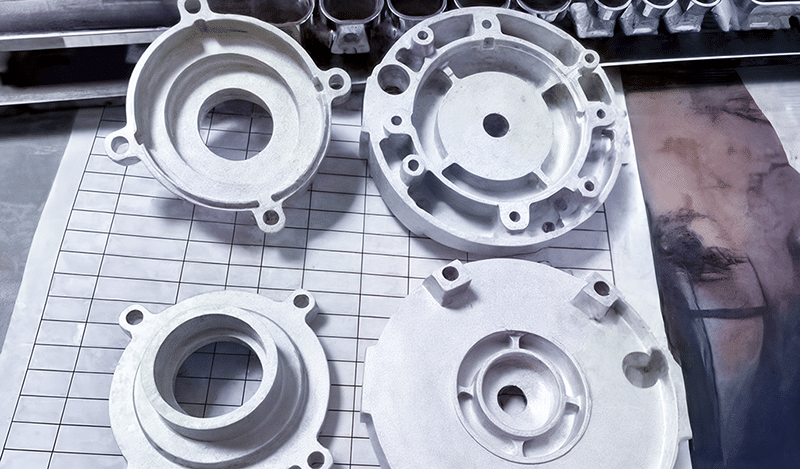
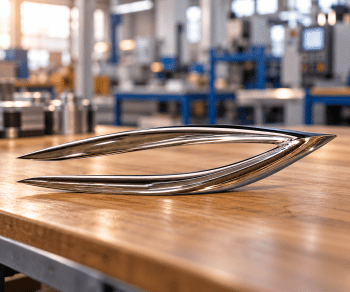
Imagine building a strong, complex metal part not by cutting it from a block, but by building it up one tiny layer at a time. That’s the power of Selective Laser Melting (SLM). It’s a type of metal 3D printing that is changing how we make things.
In short, SLM uses a powerful laser to melt fine metal powder, creating a solid object layer by layer. This process makes parts that are not just strong, but also incredibly detailed. So, why is this a big deal for modern manufacturing? Let’s dive in.
What is Selective Laser Melting (SLM)?
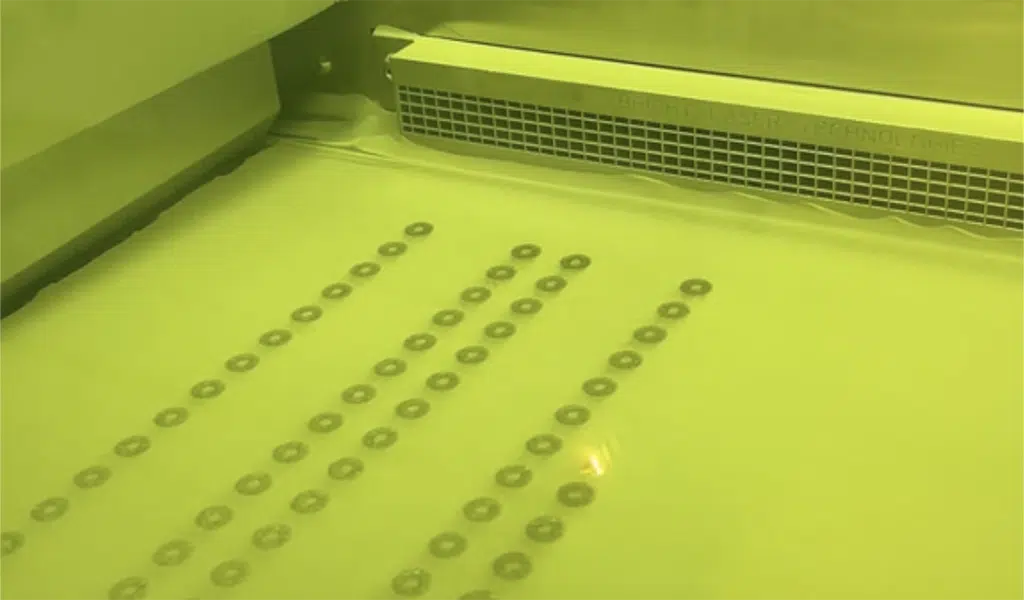
Think of SLM as a high-tech way of “drawing” with a laser on a bed of metal powder. The laser melts the powder exactly where the digital design says to, fusing it into a solid. Then, a new layer of powder is spread, and the laser repeats the process.
The result is a fully dense metal part that comes out of the machine. This method is perfect for creating shapes that are simply impossible to make with older methods like cutting or casting.
How Does SLM Actually Work?
The SLM process is both simple and brilliant. It happens inside a sealed chamber filled with an inert gas to prevent the hot metal from reacting with air. Here’s a step-by-step breakdown:
- Spread the Powder: First, a thin layer of metal powder is spread evenly over a build platform.
- Melt with Laser: Next, a high-power laser beam scans the powder. It melts and fuses the particles in specific spots, tracing a cross-section of the part.
- Lower the Platform: After one layer is done, the build platform moves down slightly.
- Recoat and Repeat: A new layer of powder is spread over the previous one, and the laser again melts the new pattern.
- Build the Part: This cycle continues, layer by layer, until the entire part is complete.
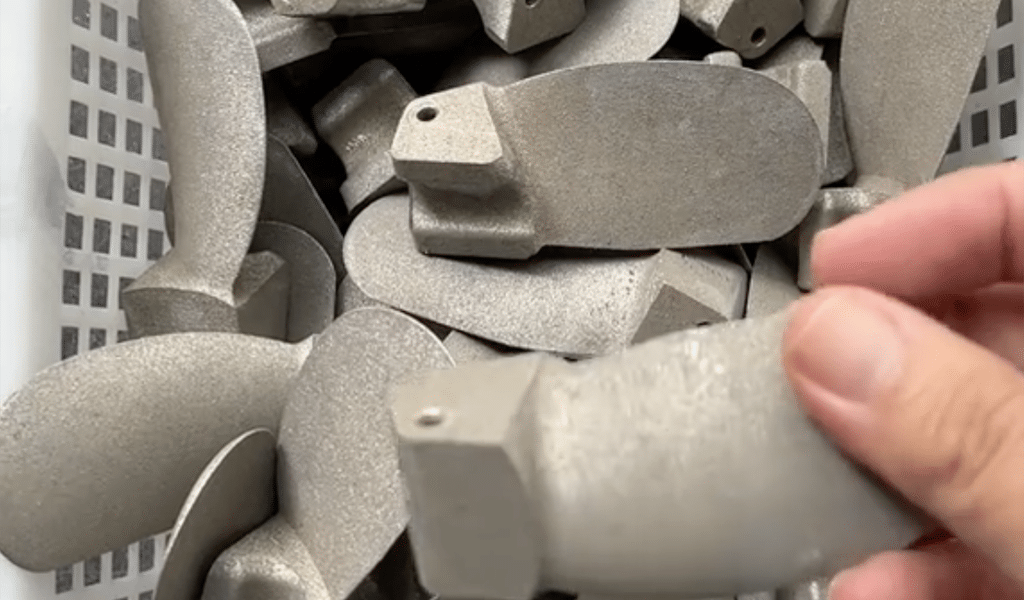
- Final Touches: Finally, the part is removed from the powder bed. It often needs some post-processing, like removing support structures or sandblasting, to be finished.
What Materials Can You Use with SLM?
SLM is quite versatile. It works with many different metals, each chosen for its special traits. Common choices include:
- Stainless Steel: Known for its strength and rust resistance, it’s great for tools and functional parts.
- Titanium: This is a superstar material. It’s incredibly strong but also very light. Plus, it works well inside the human body, making it ideal for medical implants and aerospace parts.
- Aluminum: Another lightweight champion, aluminum is perfect for parts in cars and planes where saving weight is crucial.
The Big Pros and Cons of SLM
Like any technology, SLM has its strengths and weaknesses.
Advantages:
- Complex Designs: You can make incredibly complex shapes, like lightweight lattices or internal cooling channels, that are too difficult for traditional machining.
- Strength and Density: The parts are fully solid and dense, meaning they are as strong as those made by conventional methods.
- Customization: It’s easy to make one-of-a-kind parts without the high cost of making new tools or molds. This is a huge benefit for custom medical implants.
- Speed for Prototypes: You can go from a digital file to a holding a metal part in your hand very quickly.
Limitations:
- High Cost: The machines and the metal powder are expensive. Therefore, it’s often best for high-value parts.
- Size Limits: The build chamber restricts the maximum size of the parts you can make.
- Post-Processing: Parts rarely come out ready to use; they usually need extra finishing work.
- Specialized Knowledge: Operating an SLM machine requires specific skills and training.
How is SLM Different from Other 3D Printing?
It’s easy to get confused with all the 3D printing terms. Here’s a quick comparison:
- SLM vs. DMLS: Both use a laser on metal powder. However, SLM fully melts the powder, while DMLS heats it to a fusing point. As a result, SLM parts are often denser and stronger.
- SLM vs. SLA: SLA uses a laser to harden liquid resin. It’s great for detailed models, but they are plastic, not strong metal.
- SLM vs. Binder Jetting: This method uses a glue-like binder to stick powder together. The parts are weaker and more porous than the solid metal parts from SLM.
Where is SLM Used Today?
SLM isn’t just a lab experiment; it’s making a real impact right now in many fields:
- Aerospace: To make strong, lightweight parts for jets and rockets, reducing weight to save fuel.
- Medical: For creating custom implants, like jawbones or hip sockets, that fit a patient perfectly.
- Automotive: To produce complex parts that make cars lighter and more efficient.
- Tooling: For making molds with built-in cooling channels that help plastic parts cool faster, speeding up production.
Is SLM the Future?
In conclusion, Selective Laser Melting is a powerful tool in the modern manufacturing toolbox. It unlocks new design freedoms and allows for the creation of parts that were once a fantasy.
While it can be costly and has some limits, its ability to produce strong, complex, and custom metal parts on-demand is revolutionary. For businesses looking to innovate and lead, understanding SLM is no longer an option—it’s a necessity.
Ready to See What SLM Can Do For You?
Unlock the full potential of metal 3D printing with zone3Dplus. Whether you need a complex prototype or a custom end-use part, our expertise in Selective Laser Melting can bring your most ambitious designs to life.
Multi Material 3D Printing: Reduce Waste Effectively
If you are researching a tool changer 3D printer, you are probably trying to solve one of two problems: printing...
Multi Material 3D Printing: How to Choose the Right Process for Functional Parts
Multi material 3D printing is changing how teams build prototypes and end-use parts. Instead of treating a printed part as...
Multi Color 3D Printer vs Full-Color 3D Printing Service: Which Is Better for Your Project?
A multi color 3D printer is one of the most searched topics in consumer and professional 3D printing right now....