Translucent vs. Transparent: Pick the Perfect Material for Light & Privacy

Choosing the right material for your project often comes down to one factor: how it handles light. Do you want full clarity? Just a soft glow? Or more privacy?

Understanding the difference between transparent and translucent materials helps you make the right choice. With the right pick, you can balance lighting, privacy, and aesthetics perfectly.

At zone3Dplus, we offer both transparent resins (for crystal-clear parts) and translucent options (for soft diffusion). Whether you’re prototyping consumer electronics, designing packaging, or creating architectural models, we help you select the ideal material through our instant quote system.

What's the Real Difference?

People often use “clear” and “transparent” interchangeably. But technically, there’s a distinction:

  • Clear: Describes appearance (like “clear glass”) but isn’t a separate optical category.
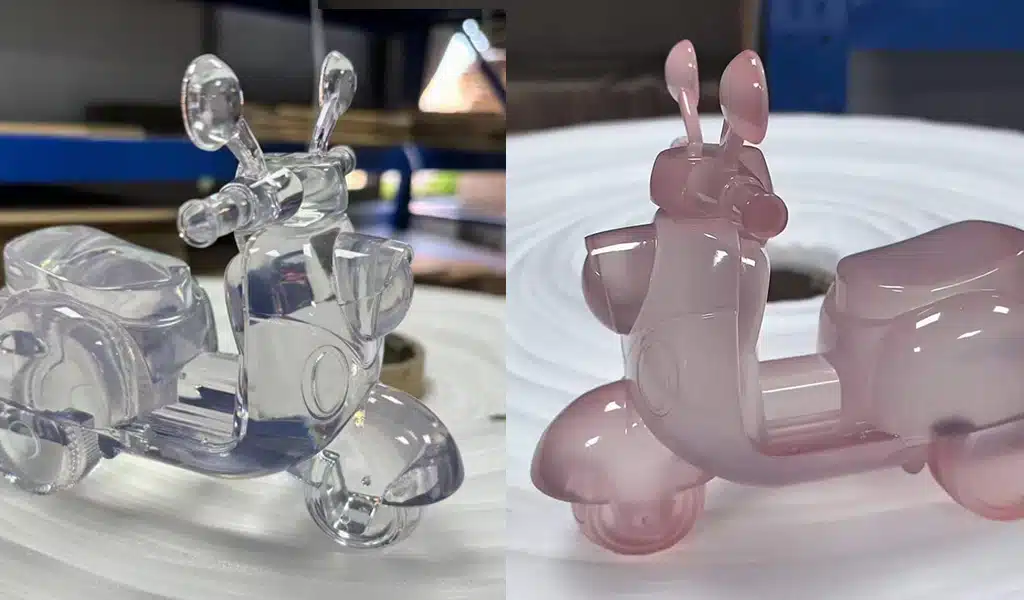
  • Transparent: Lets light pass straight through with minimal distortion. Think of a clean window.
  • Translucent: Allows light through but scatters it, creating a blurred effect. Frosted glass is a common example.
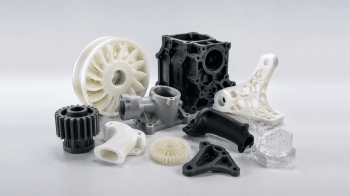
zone3Dplus SLA Parts

Translucent vs. Transparent: Breaking It Down

How Light Passes Through

  • Transparent: Light travels directly. You get a sharp, true view—like looking through glass or acrylic.
  • Translucent: Light diffuses. You see a soft glow and blurred outlines—like light through a lampshade.

How Much Light Gets Through

  • Transparent: Very high transmission (e.g., clear acrylic lets ~92% of light through).
  • Translucent: Moderate transmission (e.g., frosted glass allows 70–80%).

What You Can See

  • Transparent: Clear, accurate shapes and colors.
  • Translucent: Blurred, obscured details—ideal for privacy.

Pros and Cons

zone3Dplus Translucent vs. Transparent

Where You’ll Find Them

Translucent Materials Shine When You Need:

  • Soft light & privacy: Bathroom windows, partitions, skylights.
  • Stylish diffusion: Decorative panels, lampshades, packaging.
  • Gentle ambiance: Lighting that reduces glare.

Transparent Materials Excel When You Need:

  • Full visibility: Windows, displays, vehicle glass.
  • Showcasing products: Clear packaging for food, cosmetics.
  • Precision: Lenses, sensors, touchscreens, lab equipment.

Popular Material Options

Common Translucent Materials

  • Frosted glass – privacy windows, decorative panels.
  • Acrylic (frosted) – signage, light diffusers.
  • Plastics (ABS, PETG, PLA) – appliance covers, packaging, 3D printed parts.

Common Transparent Materials

  • Glass – windows, bottles, tables.
  • Acrylic (PMMA) – displays, aquariums, protective shields.
  • Polycarbonate – safety glasses, greenhouse panels.
  • Specialty resins – ultra-clear 3D printing for prototypes, jewelry, or heat-resistant parts.

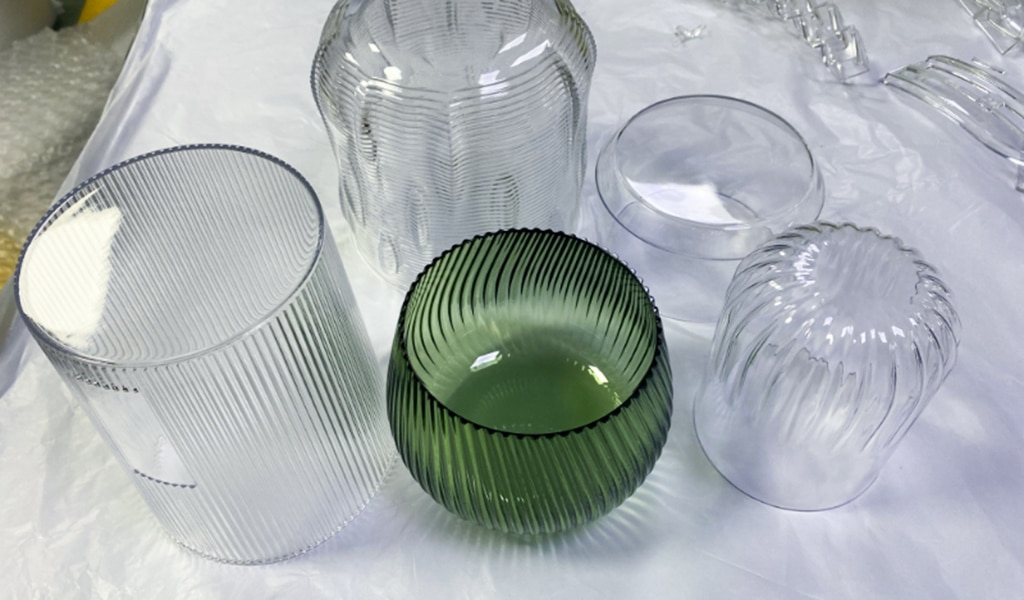
At zone3Dplus, we specialize in high-clear SLA resin that delivers glass-like transparency, perfect for packaging prototypes, optical models, and consumer electronics. For softer diffusion, our standard white resin or frosted finishes balance light with privacy.

zone3Dplus SLA Parts

Conclusion: Choosing What’s Best

Need perfect visibility? Go with transparent materials like acrylic or clear resin.

Need soft light and privacy? Pick translucent options like frosted glass or diffused plastics.

When in doubt, consider your application first: Is visibility or privacy more important?

With zone3Dplus, you don’t have to decide alone. Our online instant quote system helps you select the right material and finish for your project—whether you need clear transparency or elegant translucency.

Scroll to Top