Let’s clear it up right away: aluminum does not rust. But that doesn’t mean it’s indestructible. Aluminum can still corrode under certain conditions. So, what’s the difference? Let’s break it down in simple terms.
What Exactly Is Rust?
Rust is the reddish-brown flaky coating you often see on iron or steel. It happens only when iron reacts with oxygen and water. Because aluminum contains no iron, it cannot rust. That’s the key fact to remember.
What Happens to Aluminum Instead?
When aluminum meets air, something useful happens. It instantly forms a thin, invisible layer called aluminum oxide. Think of this as a natural shield that protects the metal underneath. This is why aluminum is famous for its resistance to corrosion.
However, that shield is not indestructible. Here’s when aluminum may corrode:
- Harsh Environments: Long-term exposure to saltwater, strong acids, or alkalis can break down the protective layer.
- Surface Damage: Scratches or dents can briefly expose the raw metal.
- Certain Alloys: Aluminum alloys mixed with copper, zinc, or magnesium may corrode faster in tough conditions, especially near seawater or when touching other metals.
The good news? Even if the oxide layer is scratched, it quickly rebuilds itself when exposed to air. Corrosion on aluminum is also much slower and less destructive compared to rust on steel.
Making Aluminum Stronger: Anodizing
Want aluminum to last even longer? That’s where anodizing comes in. Anodizing enhances the natural oxide shield by making it:
- Thicker – up to 50 times thicker than the natural layer.
- Harder – like adding an extra layer of armor.
- More Sealed – closing tiny pores for stronger protection.
Because of this, anodized aluminum is a smart choice for:
- Outdoor gear and fixtures
- Marine hardware
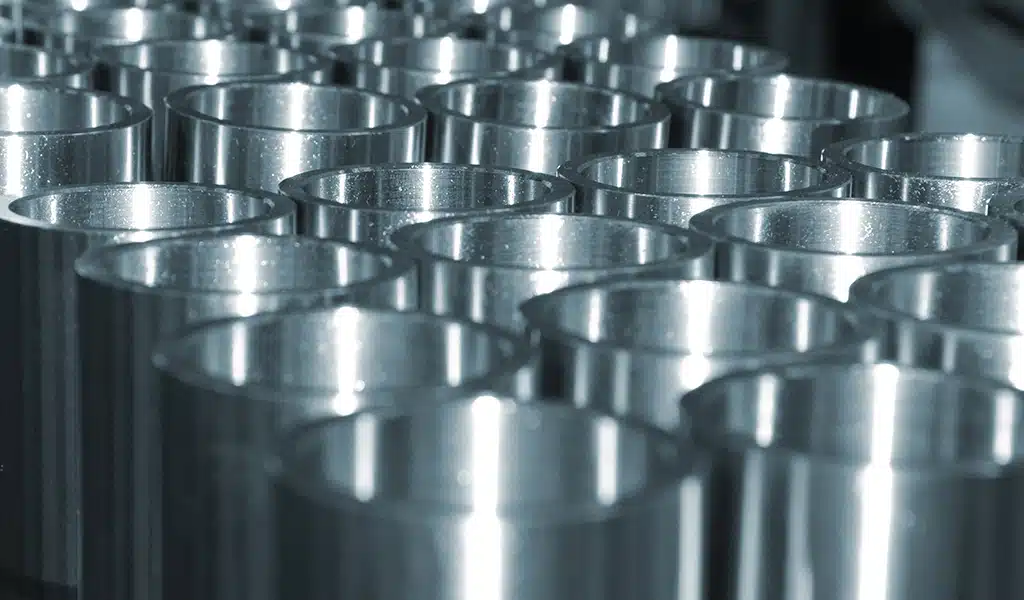
- CNC machined components
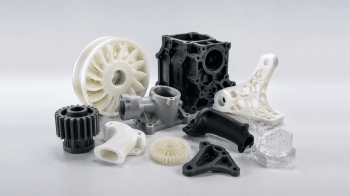
- 3D printed prototypes
- Any part that needs durability and low maintenance
In Summary
- Aluminum never rusts because it has no iron.
- It forms a protective oxide layer that resists most damage.
- Corrosion can happen in harsh conditions or if the shield is damaged.
- Anodizing makes aluminum tougher, thicker, and longer-lasting.
zone3Dplus: Your Partner for Aluminum Parts
At zone3Dplus, we help customers turn ideas into reality with CNC machining, metal 3D printing, and advanced finishing like anodizing. Whether you need lightweight prototypes, marine components, or precision aerospace parts, our experts deliver high-performance aluminum solutions that resist corrosion and stand the test of time.
With our online instant quote system, you can upload your design, choose the right aluminum alloy or surface finish, and get pricing in seconds. Fast, reliable, and cost-effective—that’s the zone3Dplus advantage.
Multi Material 3D Printing: Reduce Waste Effectively
If you are researching a tool changer 3D printer, you are probably trying to solve one of two problems: printing...
Multi Material 3D Printing: How to Choose the Right Process for Functional Parts
Multi material 3D printing is changing how teams build prototypes and end-use parts. Instead of treating a printed part as...
Multi Color 3D Printer vs Full-Color 3D Printing Service: Which Is Better for Your Project?
A multi color 3D printer is one of the most searched topics in consumer and professional 3D printing right now....