Metal 3D printing may sound futuristic—like something out of a sci-fi movie—but it’s very real and already transforming industries. From aerospace to medical implants, this technology builds strong, complex parts directly from a digital file. But how does it actually work?
At zone3Dplus, we help engineers, designers, and manufacturers bring metal parts to life quickly and affordably. Here’s a simple guide to how metal 3D printing works, the key technologies involved, and why it’s such a game-changer.
Step 1: It All Starts with a Digital Design
Every metal print begins with a 3D model—usually a CAD file. This design is then “sliced” into thin digital layers, each one guiding the printer on where to place material. These layers are often thinner than a human hair!
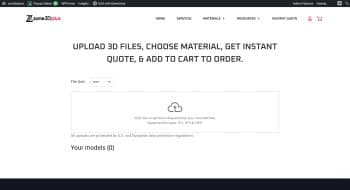
At zone3Dplus, you can upload your file and get an instant online quote. No back-and-forth emails. Just drag, drop, and get started.
Step 2: How Metal 3D Printers Build Layer by Layer
Not all metal 3D printers work the same way. But they all follow the same goal—adding material one layer at a time to form a solid part. Here are the most common types:
1. Powder Bed Fusion (PBF: SLM/DMLS): Laser Precision
- How it works: A fine layer of metal powder (like titanium or stainless steel) is spread on a platform. A laser melts the powder only where needed. The build plate lowers, new powder is added, and the laser repeats.
- Key benefit: Extremely strong and dense parts.
- Used for: Aerospace brackets, dental implants, custom tools.
2. Binder Jetting: Fast and Scalable
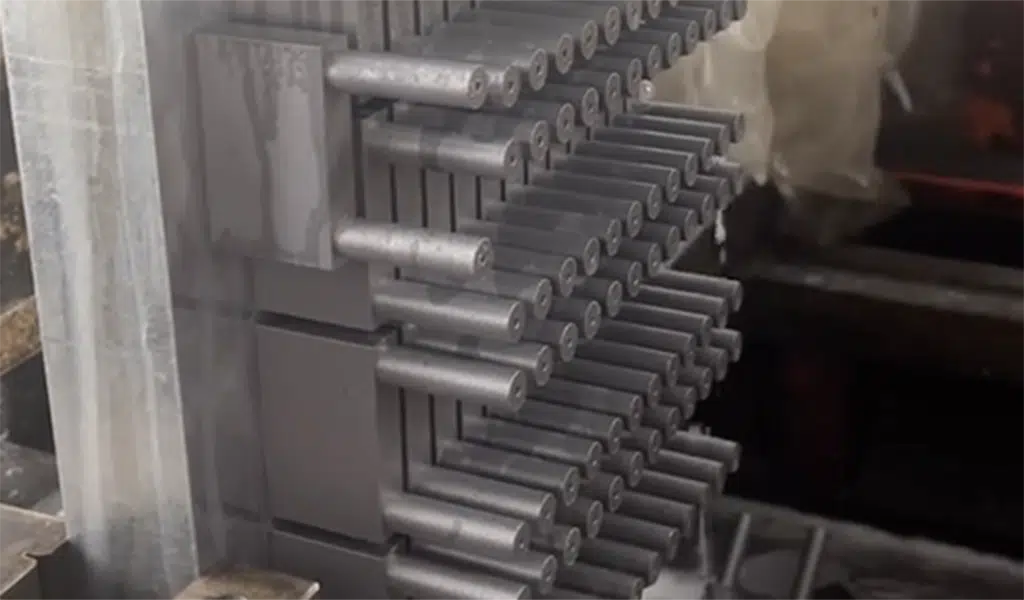
- How it works: Instead of a laser, this uses a print head to “glue” metal powder together using a liquid binder. The result is a fragile “green part,” which is later hardened in a furnace.
- Key benefit: Very fast and ideal for mass production.
- Used for: Fixtures, industrial tooling, and large batches of parts.
3. Material Jetting (NPJ): Smooth Metal Inks
- How it works: This prints metal “ink” that evaporates instantly on a heated surface, leaving behind fine metal particles. These are later sintered into solid metal.
- Key benefit: Super smooth surfaces and high detail.
- Used for: Precision components like electronics housings or dental tools.
4. Metal FFF (Fused Filament Fabrication): Low-Cost Entry
- How it works: This method is like plastic FDM printing. It uses filament filled with metal powder and binder. The part is printed, then heated to remove the binder and fuse the metal.
- Key benefit: Affordable and easy to get started.
- Used for: Prototypes, jigs, and small-batch parts.
5. Solid-State MELD: No Melting Needed
- How it works: Instead of lasers or heat, this method uses friction and pressure to soften and forge metal in place.
- Key benefit: Works with hard-to-melt metals and reduces thermal distortion.
- Used for: Repair, defense, and materials that traditional printers can’t handle.
Step 3: The Crucial Post-Processing Phase
Once printing is done, there’s still more work to do:
- Cooling: Parts must cool slowly to prevent cracks.
- Powder Removal: Excess powder is brushed or vacuumed away—and often recycled.
- Support Removal: Temporary supports are carefully removed.
- Heat Treatment: Sintering or annealing makes parts stronger and stress-free.
- Surface Finishing: Parts may be polished, machined, or sandblasted for the final look.
At zone3Dplus, we handle all of these steps for you—from sintering to finishing—so your metal part arrives ready to perform.
Why It Matters: Real Benefits for Real Projects
Metal 3D printing doesn’t just look cool—it solves real engineering problems.
- Complex Shapes, No Problem: Create hollow channels, internal lattices, or impossible overhangs.
- Faster Prototyping: Go from design to part in days—not weeks.
- Less Waste: Only the metal you need, with minimal scrap.
- Lighter, Stronger Parts: Print strong structures while reducing weight.
- Small Batch Friendly: Print just one part or a hundred—no tooling required.
At zone3Dplus, we specialize in making metal 3D printing fast, affordable, and accessible. Whether you need custom titanium parts, functional steel prototypes, or jewelry-grade metal prints, we’ve got the tools and tech to deliver.
Quick Comparison of Metal 3D Printing Technologies
Final Thoughts: Metal 3D Printing is Here to Stay
Metal 3D printing is more than just melting metal—it’s a precise, digital, and scalable way to build the parts of tomorrow. Whether you’re creating lightweight aerospace parts, custom car mods, or precision medical devices, this technology delivers.
Multi Material 3D Printing: Reduce Waste Effectively
If you are researching a tool changer 3D printer, you are probably trying to solve one of two problems: printing...
Multi Material 3D Printing: How to Choose the Right Process for Functional Parts
Multi material 3D printing is changing how teams build prototypes and end-use parts. Instead of treating a printed part as...
Multi Color 3D Printer vs Full-Color 3D Printing Service: Which Is Better for Your Project?
A multi color 3D printer is one of the most searched topics in consumer and professional 3D printing right now....