Clear vs. Translucent vs. Transparent

Have you ever felt mixed up by the words clear, translucent, and transparent? You are not alone. In fact, many people use these words as if they mean the same thing. However, in design, manufacturing, and 3D printing, they have very different meanings.

Choosing the right material is a big deal. It can be the difference between a private bathroom window and a totally clear display case. This guide will explain the differences in simple words. Plus, we will show you how zone3Dplus can help you pick and print the perfect material for your next project.

The Basics: How Light Moves

To understand these terms, we simply need to look at how light moves through an object.

  • Transparent: Think of a clean window. Light goes straight through it. You can see objects on the other side clearly and sharply.
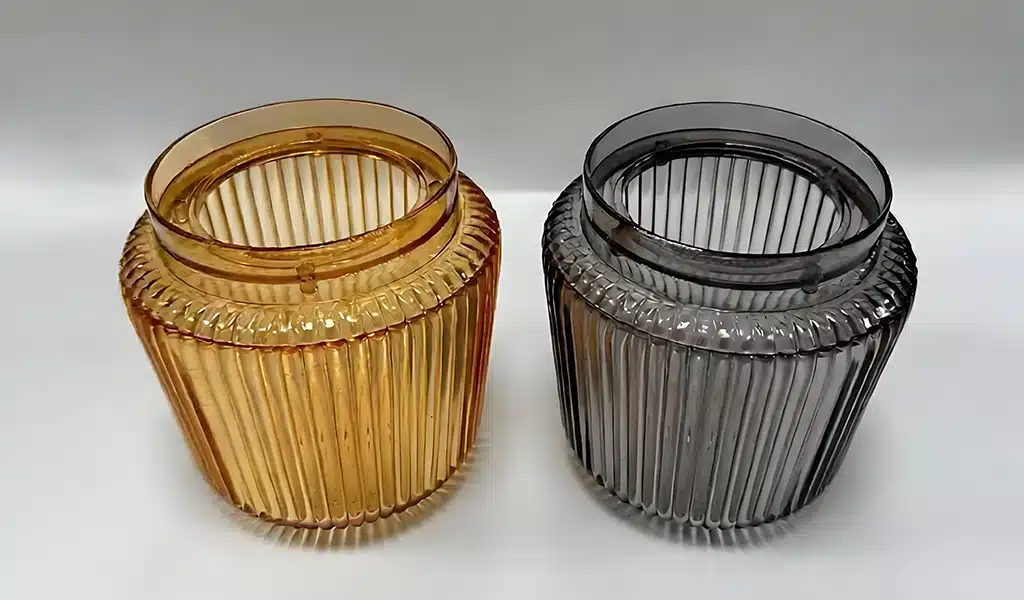
  • Translucent: Think of a frosted shower door. Light goes through it, but it gets scattered. You can see light and shapes, but you cannot see details. It glows, but you can’t see through it.
  • Clear: In daily life, people use “clear” to mean transparent. But in manufacturing, “clear” usually describes a material that has no color and is not cloudy.

Comparison: Translucent vs. Transparent

To make your choice easier, here is a simple comparison table.

zone3Dplus

Pros and Cons

Every material has good points and bad points. Here is what you need to know.

Translucent Materials

The Good:

  • Privacy: They hide what is behind them while still letting light in.
  • Soft Light: They stop harsh glare. This creates a calm mood.
  • Hides Flaws: Because the light scatters, you can’t easily see scratches or internal support marks from 3D printing.

The Bad:

  • Blocks Views: You cannot read text or see shapes through them.
  • Less Light: They block a little bit more light than transparent parts.

Transparent Materials

The Good:

  • Total Clarity: You can see everything perfectly. This is vital for lenses or screens.
  • Bright: They let the most amount of light pass through.
  • Sleek Look: They look premium, pure, and high-quality.

The Bad:

  • No Privacy: Everything inside is visible.
  • Shows Flaws: Fingerprints, dust, and scratches show up easily.
  • Harder to Manufacture: In 3D printing, achieving total transparency often requires extra polishing (post-processing).

Real-World Examples

Where do we use these materials?

  • Architecture: Translucent panels are great for privacy walls. Transparent glass is used for big windows to see the view outside.
  • Products: A translucent shampoo bottle lets you see how much is left without showing every bubble. A transparent perfume bottle shows off the liquid inside clearly.
  • Tech: Translucent plastic covers LED lights to make them soft on the eyes. Transparent screens are used for phones and tablets.

How zone3Dplus Brings Your Vision to Life

Understanding the theory is a good start. However, actually making the part is a different challenge. This is where zone3Dplus helps you.

We are experts in rapid prototyping and low-volume manufacturing. Whether you need a “cloudy” look or a “glass-like” finish, we have the tools to do it.

1.Advanced 3D Printing Materials

At zone3Dplus, we offer specific materials for your needs:

  • For Translucency: We use materials like PETG or standard resins. These are strong and naturally diffuse light.
  • For Transparency: We use Clear Resin (SLA) or Polycarbonate. These are designed to let light pass through cleanly.

2.The Secret is in the Finish

Here is a manufacturing secret: Most “clear” 3D printed parts actually come out looking translucent/cloudy at first.

To get a truly transparent look, the part needs post-processing. Zone3Dplus offers professional finishing services, including:

  • Sanding and Polishing: To smooth out layers.
  • Clear Coating: To turn a cloudy part into a crystal-clear one.

3.Expert Advice

Are you unsure if you should use SLA (Resin) or CNC machining for your clear part? Our team can look at your design and tell you which method is cheaper and better for your specific goal.

How to Choose: 3 Simple Questions

Still not sure? Ask yourself these three questions:

1.What is the goal? Do I need to see through it (Transparent), or just let light in (Translucent)?

2.Does it need to be tough? If it will get hit or dropped, you might need Polycarbonate (strong) instead of standard Acrylic (brittle).

3.Does it need polishing? If you want it to look like glass, are you ready to ask for extra finishing?

Don’t let material choices slow you down. Whether you need a soft, glowing cover or a crystal-clear lens, we can build it.

Visit zone3Dplus today. You can explore our material list, talk to an expert, or upload your file for an instant quote. Let’s turn your clear vision into a real product.

Scroll to Top