
Part fabrication turns a digital design into a physical component that is ready for testing or end use. Depending on the part, the process may include metal 3D printing, CNC machining, vacuum casting, or a mix of methods.
However, good results depend on more than the machine. The design, material, tolerance, finish, and order size must all work together. A clear plan helps reduce delays, control costs, and ensure the finished part performs as expected.
What Is Part Fabrication?
Part fabrication is the process of making a component from a drawing, CAD model, or sample. It can be used for a single prototype, a replacement part, or a batch of production parts.
The right method depends on the design. For example, CNC machining is often a good choice for parts with tight tolerances and standard shapes. Metal 3D printing is useful for complex forms, internal channels, lightweight structures, and low-volume orders.
Modern fabrication can produce:
- Functional prototypes
- Machine brackets and mounts
- Jigs and fixtures
- Replacement parts
- Custom housings
- Lightweight components
- Small batches of end-use parts
As a result, engineers can test ideas and improve products without investing in costly tooling at the start.
From a 3D Model to a Finished Part
A reliable fabrication project begins with a clear 3D model. Common file formats include STEP, STP, and STL. The model should show the correct size, wall thickness, holes, threads, and other key features.
Next, the manufacturer reviews the file for production. This review may identify thin walls, closed holes, weak areas, or shapes that are hard to machine or print. Small changes at this stage can prevent larger problems later.
Companies that use sheet metal modeling services should also define bend locations, bend radii, material thickness, and flat patterns. Likewise, 3d sheet metal design services can help prepare brackets, panels, covers, and enclosures before fabrication begins.
Still, a sheet metal design does not always need to be made through bending and cutting. In some cases, CNC machining or metal 3D printing may be more suitable for a prototype or a complex low-volume part.
Choosing a Process for Custom Metal Parts
There is no single process that fits every project. Therefore, buyers should compare the part’s shape, quantity, material, tolerance, and final use.
Metal 3D printing builds a part layer by layer. It is well suited to complex designs that would be difficult to machine. It can also combine several components into one part, which may reduce assembly work.
CNC machining removes material from a solid block. It is often used for accurate faces, holes, threads, and mating features. In addition, machining can serve as a finishing step for a metal-printed part.
Vacuum casting is more often used for plastic or resin parts. However, it can help teams test a full product assembly before ordering custom made metal parts for the final version.
A hybrid approach may offer the best result. For instance, a complex body can be 3D printed and then machined in selected areas to achieve a better fit or finish.
Materials for Custom Manufactured Parts
Material choice affects strength, weight, heat resistance, corrosion resistance, and cost. It should be based on how the part will be used, not only on appearance.
Common metal options include:
- 316L stainless steel for corrosion resistance
- 17-4PH stainless steel for strength and wear resistance
- AlSi10Mg aluminum for low weight and good thermal properties
- Ti-6Al-4V titanium for strong, lightweight parts
- Inconel 625 for demanding heat and corrosion conditions
- Maraging steel for high-strength tools and components
According to its metal 3D printing service information, zone3Dplus supports several industrial metals and accepts orders without a minimum quantity. This gives product teams a practical way to test one part before moving to a larger batch.
Design Tips That Reduce Cost and Risk
A part may look simple on screen but still be costly to make. Therefore, designers should review a few basic points before requesting a quote.
First, avoid walls that are thinner than the selected process and material can support. Thin areas may bend, warp, or fail during production.
Second, use tight tolerances only where they are needed. Very tight limits can add inspection and finishing work.
Third, check how parts fit together. Holes, pins, slots, snap features, and threads need enough clearance for assembly.
Also, consider the surface finish early. Sandblasting, polishing, sanding, painting, and CNC finishing can change the final size and appearance.
Finally, simplify the design where possible. Removing an unneeded feature may reduce cost without affecting performance.
zone3Dplus Solution: Fast Custom Metal Part Production
zone3Dplus offers on-demand manufacturing through metal and plastic 3D printing, CNC machining, vacuum casting, and low-volume production. Its workflow starts when the customer uploads a 3D model. The file is then reviewed for production before the material, finish, quantity, price, and lead time are confirmed.
This approach is useful when a team needs custom metal parts but wants to avoid a large first order. A company can begin with one prototype, test it, adjust the model, and then order more.
zone3Dplus also states that manufactured parts pass through two stages of quality control. This inspection process helps check that each order meets the approved production requirements. More details are available on the zone3Dplus manufacturing.
Client Case Study: Faster Development for Wearable Technology
In one case shared by zone3Dplus, a startup needed flexible hinges for a wearable product. The team used SLS nylon printing to test the hinge design and update it within days instead of weeks.
Although this project involved polymer parts, the same development method can support metal products. A team can first test the shape, fit, and movement with a lower-cost prototype. Then, after the design is proven, it can order custom manufactured parts in the final metal.
This staged process lowers risk because design faults can be found before the most expensive production step.
Client Case Study: Lightweight Automotive Components
zone3Dplus also reports that an automotive company used metal 3D printing to produce lightweight engine components. According to the company’s published case summary, the project reduced production costs by 40%.
Metal 3D printing allowed the team to create shapes that would have been hard to make with standard tools. In addition, weight could be removed from areas that did not carry a high load. The result shows how design and production methods can work together to improve both performance and cost.
Replacement Parts Without Traditional Tooling
Older machines often need parts that are no longer sold. In this situation, a worn or broken component can be measured or scanned. A new CAD model can then be created and adjusted for the current machine.
zone3Dplus presents this as a practical use for on-demand production. Its replacement-part solution supports one-part orders and offers metal and polymer material options.
Before production, the new design should be checked against the load, heat, wear, and safety needs of the original part. Once these points are confirmed, digital part fabrication can reduce downtime and remove the need to search for old stock.
How to Start a Part Fabrication Project
Begin with a complete 3D file and a short list of requirements. Include the material, quantity, tolerance, finish, deadline, and intended use. If the material is not yet known, explain the working conditions so the manufacturer can suggest suitable options.
Then, review the production feedback carefully. A small design change may improve strength, shorten lead time, or lower the price.
Whether the project requires a prototype, custom made metal parts, or a small production batch, the goal is the same: create a part that fits, works, and can be produced at a practical cost.
zone3Dplus helps connect digital designs with real parts through on-demand manufacturing. By combining design review, suitable production methods, material choices, and quality checks, teams can move from an early idea to a finished component with fewer delays.
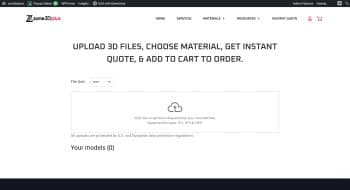
What Files Do You Need for a 3D Printing Quote?
Getting a fast and accurate 3D printing quote starts with one thing: the right file.A good 3D file helps the...
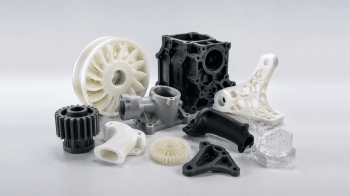
How 3D Printing Helps Reduce Prototype Lead Time
Prototype delays rarely come from one big problem. More often, they come from several small delays stacked together: waiting for...
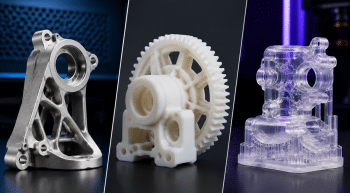
How to Choose the Right 3D Printing Material for Functional Parts
Choosing the right 3D printing material is one of the most important decisions in any functional part project. A good...