How CNC Machining Works: From CAD File to Finished Part

Ever wondered how complex, ultra-precise metal or plastic parts are made? The answer is often CNC machining — a process that turns digital designs into real, physical objects. At zone3Dplus, we use advanced CNC machines to deliver parts with incredible accuracy for industries like aerospace, automotive, medical, and consumer electronics.

Let’s walk through exactly how CNC machining works, step-by-step — from your design file to the finished part in your hand.

zone3Dplus CNC

1.The Blueprint – Starting with a CAD File

Everything begins with a CAD (Computer-Aided Design) file. This is the digital blueprint of your part. Designers create it using specialized software, shaping every detail — size, curves, holes, and angles.

Think of CAD as digital clay. The designer sculpts the idea on screen until it matches the final vision. Without this file, the CNC machine wouldn’t know what to make.

At zone3Dplus, you can send us an email with CAD file and request. We’ll handle the rest — from tool selection to material choice.

2.Translating to Machine Language – The CAM Step

CNC machines don’t understand CAD files directly. They need a step-by-step cutting plan. This is where CAM (Computer-Aided Manufacturing) software comes in.

CAM software:

  • Picks the best cutting tools for the job.
  • Sets spindle speed (how fast the tool spins).
  • Sets feed rate (how fast the tool moves).
  • Maps out the exact toolpath.

It then creates G-code — the “recipe” for the machine. This code tells the CNC exactly what to do, down to the smallest movement.

At zone3Dplus, our CAM experts optimize your toolpaths to reduce machining time and save you money — without sacrificing quality.

3.Setting Up the Machine

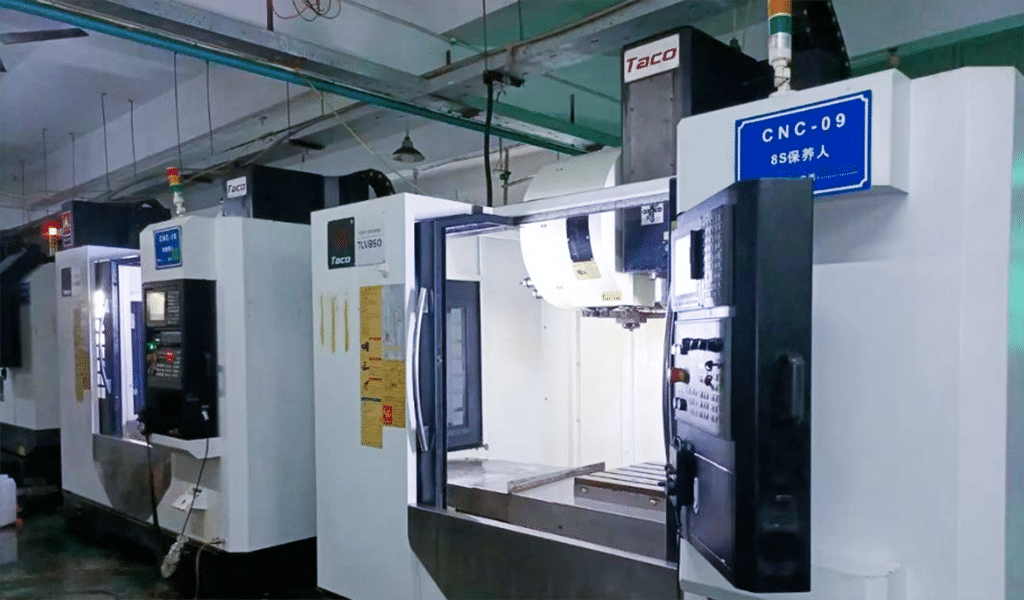
Before cutting begins, the CNC machine must be set up properly:

  • Material Loading – A solid block of metal, plastic, or composite (the “workpiece”) is clamped securely.
  • Tool Loading – The right cutting tools are placed in the machine. Many machines have Automatic Tool Changers (ATC) to speed this up.
  • Zero Point Setting – The machine is told exactly where the workpiece starts. This ensures perfect positioning.

At zone3Dplus, our team ensures every setup is precise, so your parts meet exact tolerances.

4.The Machining Process – Making Chips

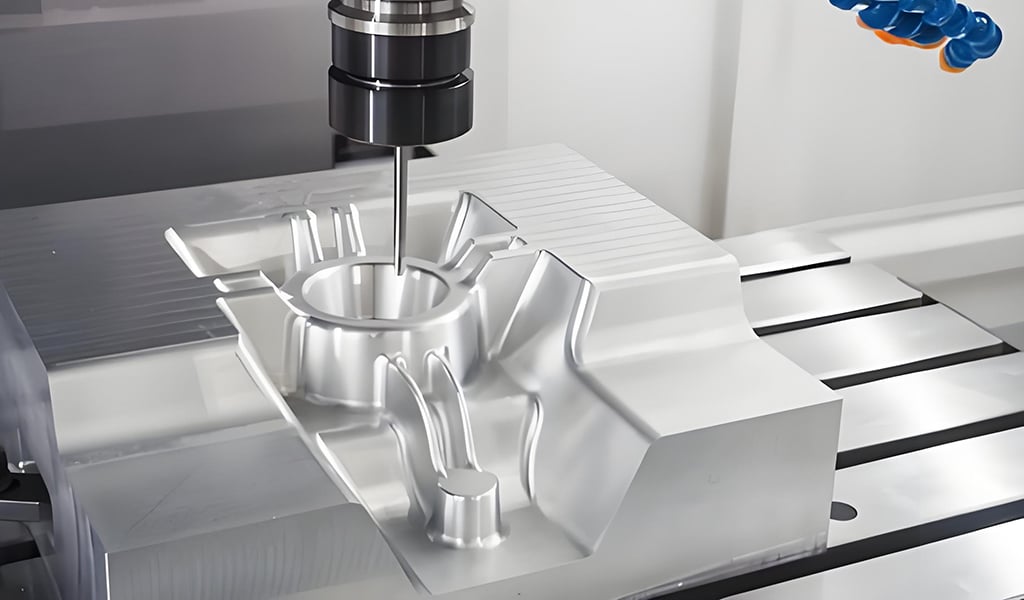
Now, the cutting begins. The CNC machine follows the G-code:

  • Spins the cutting tool at high speed.
  • Moves it along the programmed paths.
  • Cuts away tiny bits of material (called “chips”).
  • Switches tools automatically when needed.

Because the process is fully automated, every part comes out exactly the same — whether you need one or one thousand.

With zone3Dplus CNC machining, you get ±0.01 mm precision, making it ideal for high-performance applications.

zone3Dplus CNC

5.Finishing Touches

After the main cutting, parts often need:

  • Cleaning – Removing chips and coolant.
  • Deburring – Smoothing sharp edges.
  • Surface Treatment – Polishing, sandblasting, anodizing, or plating for durability and looks.
  • Inspection – Using calipers or CMMs to confirm dimensions match your CAD file exactly.

zone3Dplus offers in-house finishing, so your parts can go from raw machining to ready-to-use without extra suppliers.

6.The Finished Part

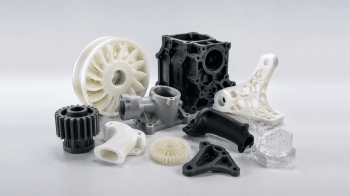
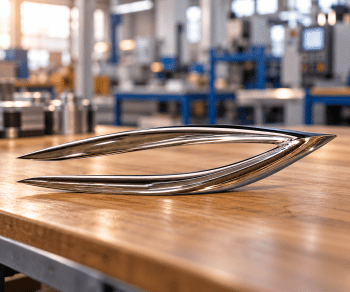
What started as a digital file is now a real, precision-made part — ready for assembly, testing, or direct use.

zone3Dplus CNC Parts

Why CNC Machining (and zone3Dplus) is a Smart Choice

  • Super Precise – Holds very tight tolerances.
  • Highly Repeatable – Perfect for small or large production runs.
  • Versatile – Works for metals, plastics, and composites.
  • Efficient – Once set up, it produces parts quickly.
  • Customizable – Tailored to your design needs.

At zone3Dplus, getting your CNC parts made is simple. Just send your CAD file and request to [email protected], and our team will handle the rest. We also offer both CNC machining and 3D printing services, giving you the flexibility to choose the best manufacturing method for your project’s needs.

Scroll to Top