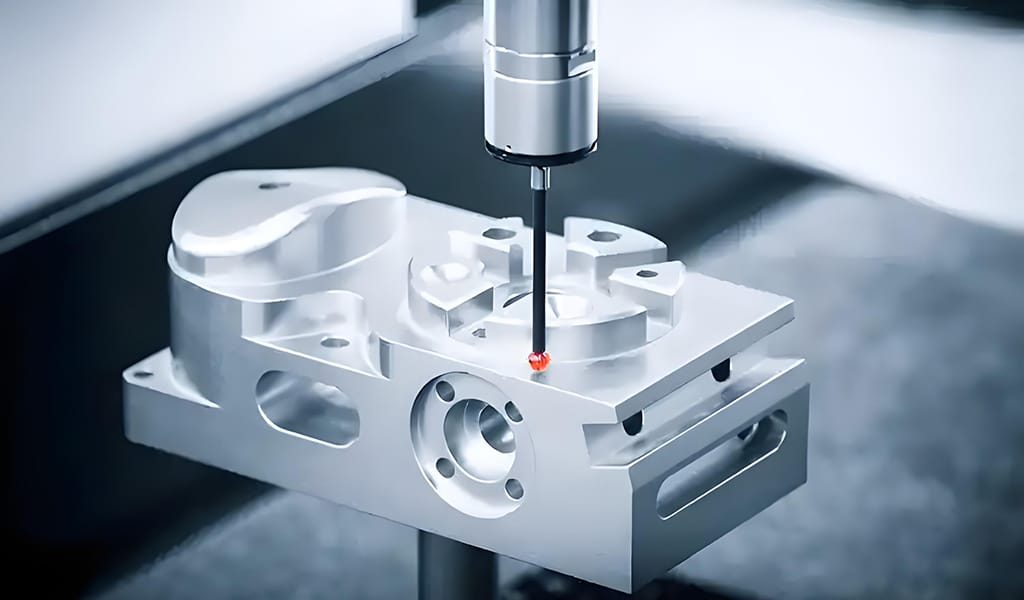
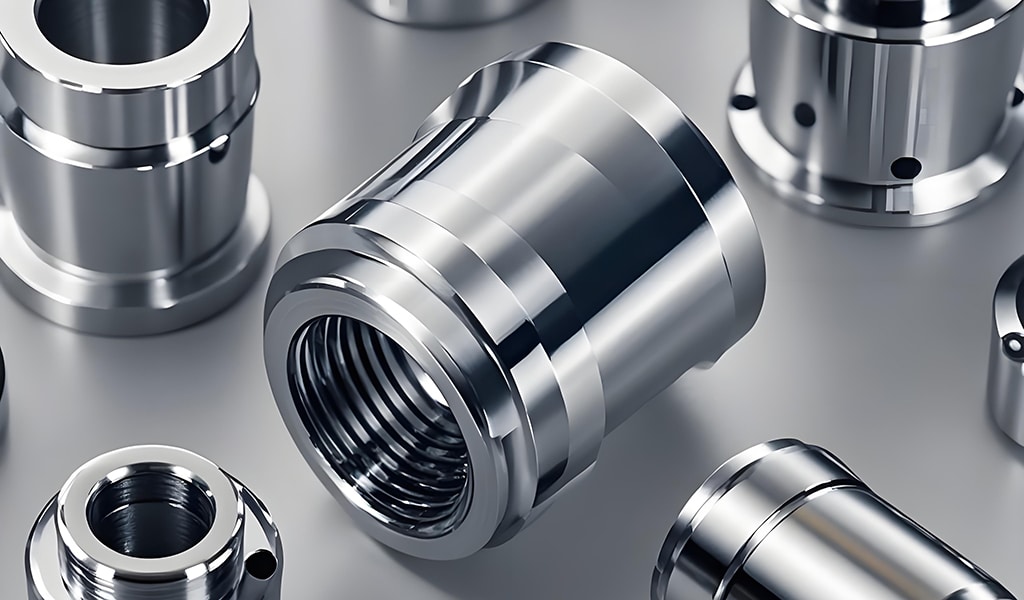
Ever wonder how car engine parts, phone cases, or metal tools are made with such precision? The answer is often CNC machining. Don’t worry if it sounds technical — this easy guide explains what CNC machining is, how it works, and why it matters. Let’s break it down step by step.
What Is CNC Machining?
CNC stands for Computer Numerical Control. In short, CNC machining is a way to cut and shape materials — like metal, plastic, or wood — using computer-controlled machines.
Imagine a super-precise robot carver. Instead of shaping parts by hand, CNC machines follow a digital program that tells them exactly where and how to move. The machine removes material from a solid block until the final shape appears.
How CNC Machining Works
Let’s take a quick look at how the process works:
1. Design Your Part
First, someone creates a 3D model using CAD software (Computer-Aided Design). It’s like drawing a blueprint on a computer.
2. Convert the Design
Then, CAM software (Computer-Aided Manufacturing) turns the design into a list of instructions called G-code. This tells the CNC machine exactly what to do — how fast to cut, where to move, and how deep to drill.
3. Set Up the Machine
A CNC operator places a block of material on the machine and installs the cutting tools. Everything is secured tightly to avoid movement.
4. Start the Program
Next, the operator runs the G-code. The machine follows the instructions, moving in multiple directions to cut away the material. It works fast — and with incredible accuracy.
5. Finishing (If Needed)
After cutting, the part may go through finishing steps like polishing, painting, or coating, depending on its use.
Why CNC Machining Is So Useful
CNC machining is used across nearly every industry. Here’s why:
- Extremely Precise: CNC machines can make parts with measurements accurate to within microns — thinner than a hair.
- Great for Complex Shapes: CNC can make holes, curves, pockets, and patterns that are too difficult for manual tools.
- Works with Many Materials: You can machine aluminum, steel, titanium, plastics, wood, and even foam.
- Perfect for Mass Production: Once the setup is done, the machine can make 1 or 10,000 identical parts.
- Faster than Manual Work: After programming and setup, CNC machines work fast and reliably.
- Fewer Errors: Since computers control the process, mistakes are less likely.
Types of CNC Machines
Different types of machines handle different tasks. Here are the most common:
- CNC Mills: These machines cut along multiple axes. They are ideal for 3D shapes and detailed surfaces.
- CNC Lathes: Here, the material spins while a tool shapes it. Perfect for round parts like rods or bolts.
- CNC Routers: Used for wood, plastics, or large sheets. Common in furniture and signage.
- Other Types: Laser cutters, waterjets, EDM, and grinders are also computer-controlled for special uses.
Where You’ll Find CNC-Machined Parts
CNC parts are everywhere — even if you don’t realize it:
- Automotive & Aerospace: Engine parts, brackets, dashboards, landing gear.
- Medical Devices: Surgical tools, implants, casings.
- Electronics: Smartphone bodies, heat sinks, frames, and connectors.
- Consumer Goods: Bicycle frames, custom furniture fittings, camera mounts.
- Prototyping: Fast, high-precision samples for new product designs.
No Machine? No Problem – Use zone3Dplus
You don’t need to buy your own CNC machine to get started. Instead, turn to zone3Dplus, your trusted online manufacturing partner.
What Files Do You Need for a 3D Printing Quote?
Getting a fast and accurate 3D printing quote starts with one thing: the right file.A good 3D file helps the...
How 3D Printing Helps Reduce Prototype Lead Time
Prototype delays rarely come from one big problem. More often, they come from several small delays stacked together: waiting for...
How to Choose the Right 3D Printing Material for Functional Parts
Choosing the right 3D printing material is one of the most important decisions in any functional part project. A good...