
Imagine a smartphone hinge thinner than a human hair. Or earbuds shaped perfectly for your ears. Or antennas that weigh less than a feather. This isn’t science fiction anymore—it’s reality. Thanks to advanced 3D printing, consumer electronics are now lighter, smarter, and more customized than ever before.
At zone3Dplus, we’re helping brands and innovators take full advantage of this transformation. From rapid prototyping to production-ready parts, our online 3D printing service makes it easy to turn bold ideas into high-quality products—fast.
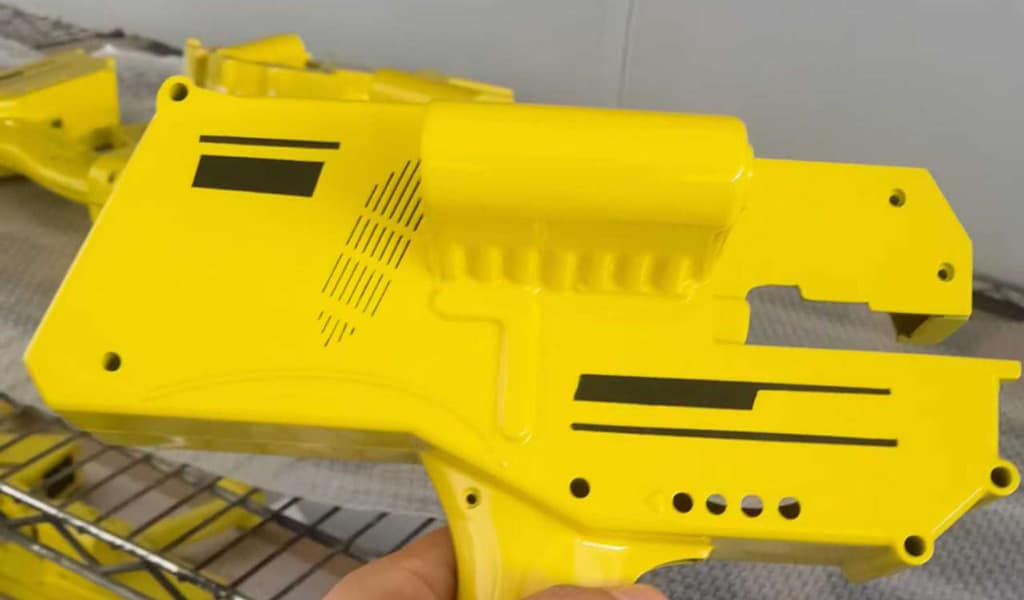
Why 3D Printing Is Changing Electronics for Good
3D printing, also called additive manufacturing, builds parts layer by layer. This unique process unlocks benefits traditional manufacturing just can’t match:
- Complex designs, no extra cost – Create intricate shapes and internal structures that CNC machining or injection molding can’t produce.
- Lightweight builds – Replace solid parts with strong lattice structures to save weight without sacrificing strength.
- Affordable customization – Tailor products for individual users without skyrocketing costs.
- Faster development – Go from CAD design to a physical part in days instead of weeks.
With zone3Dplus, you also get instant online quotes and access to industrial-grade materials—ideal for everything from concept models to end-use components.
Real-World Examples: How 3D Printing Shapes Your Gadgets
1. Slimmer, Tougher Foldable Phones
3D printing makes ultra-precise parts possible. Take foldable phone hinges as an example. OPPO’s Find N5 uses aerospace-grade titanium alloy hinges printed at just 0.15mm—thinner than paper. These hinges are 120% stronger than conventional ones and survive over 500,000 folds.
Other big players like Apple and Xiaomi are now hiring 3D printing experts, showing that mass production of these components isn’t far off. At zone3Dplus, we help electronics brands prototype and test similar precision parts quickly and affordably.
2. Lighter, Smarter Wearables
Smartwatches, earbuds, and fitness trackers benefit hugely from 3D printing. Black nylon prints achieve incredible thinness, freeing up internal space for larger batteries or sensors.
Huawei and Samsung have used lattice frameworks to cut weight while integrating sensor mounts directly into printed structures. With zone3Dplus, you can prototype or even small-batch produce such parts using high-strength polymers and flexible resins.
3. High-Performance Antennas for 5G and IoT
5G devices and IoT sensors demand antennas that are compact, lightweight, and precise. 3D printed antennas can be up to 6x lighter than traditional ones, with complex shapes that improve signal strength and reduce interference.
Technologies like DLP printing with conductive coatings (copper/silver) are paving the way for antennas with superior performance. zone3Dplus offers these advanced techniques so you can create innovative designs without long lead times.

4. Smarter Cooling & Connectivity Solutions
Generative design software like nTop, combined with 3D printing, is creating thermal solutions like bio-inspired heat sinks. These designs improve cooling efficiency by 40% in devices like gaming consoles.
In the future, multi-material 3D printing will merge circuits, metals, and polymers into single components. This means electronics that are smaller, smarter, and even more powerful. zone3Dplus is already helping brands explore these next-gen possibilities.
Overcoming Challenges: Lower Costs, Faster Production, and Sustainability
The barriers to using 3D printing in electronics are falling fast:
- Lower Costs – Titanium powder prices have dropped by over 50% since 2023. Automated multi-laser printers now produce over 100,000 precision parts yearly, making high-volume production feasible.
- Faster Turnaround – What used to take weeks can now be done in days with zone3Dplus online services.
- Greener Manufacturing – 3D printing cuts material waste by 95% compared to CNC machining. Plus, bio-based plastics like PLA are becoming popular for casings and accessories.

What’s Next? 4 Trends Shaping Electronics
Chip-Scale Printing – MIT’s “printer-on-a-chip” technology may soon enable instant electronics fabrication.
AI-Driven Design – Algorithms will optimize parts for strength, weight, and radio frequencies.
Mainstream Adoption – By 2026, 3D printing for electronics is projected to hit $1 billion in global market value.
Sustainable Innovation – Low-energy printing and recyclable materials align with global ESG goals.
Why Choose zone3Dplus for Your Electronics Projects?
At zone3Dplus, we make it easy for electronics brands to leverage 3D printing:
- Instant online quotes
- High-performance materials (nylon, resin, metal)
- Precision printing for small, complex parts
- Expert support from design to delivery
Whether you’re prototyping a smartwatch case or producing lightweight antenna structures, we can help you scale fast.
The Printed Future is Here
3D printing isn’t just for prototypes anymore—it’s the backbone of the next wave of electronics innovation. With lower costs, faster production, and smarter designs, it’s unlocking gadgets that are lighter, stronger, and tailored to you.